
Following the Thaler line of cases and the upcoming series of AI output creation reviews by the US US Patent and Trademark Office, greater disclosure about use of AI will be needed in future patent filings and it will be necessary to internationally decide (as the patent system is essentially an international agreement system on inventions) how to deal with ideas are outside existing patent rules.
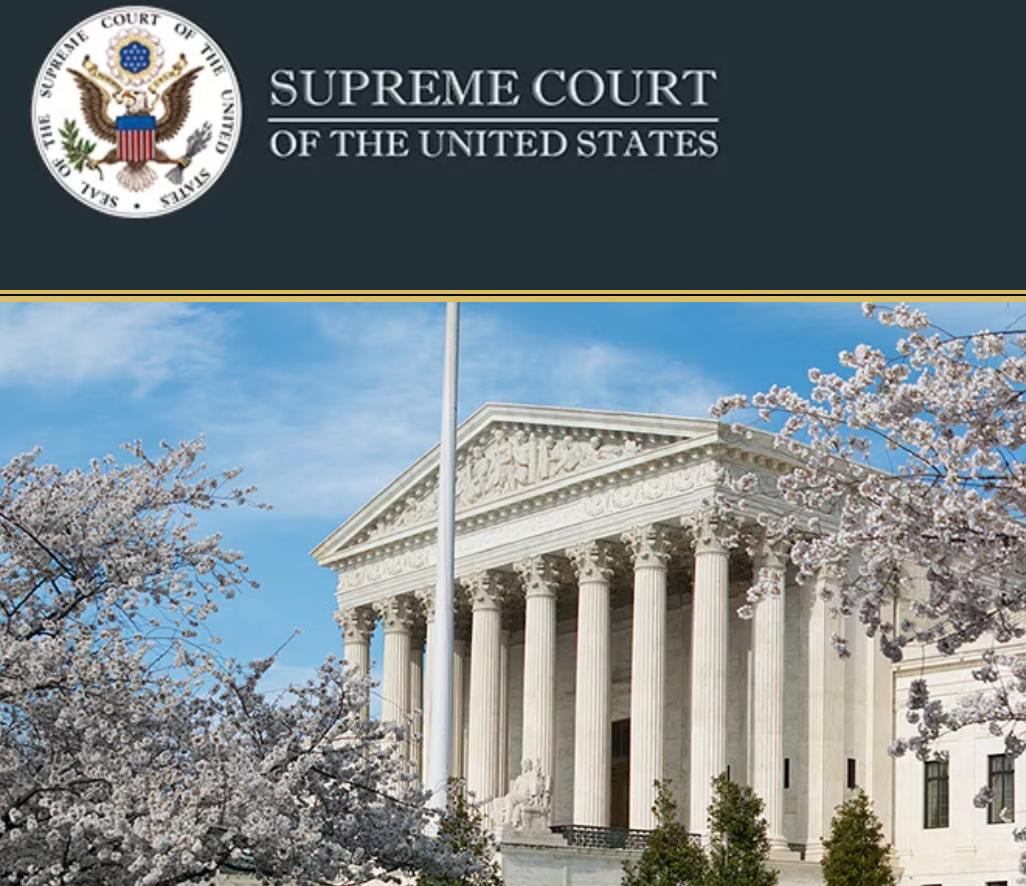
This follows a ruling in the US supreme court when it refused to hear an appeal in the latest round of battles (Thaler v Vidal in US, v Comptroller-General of Patents, Designs and Trademarks) between Professor Stephen Thaler and the Patent Offices all over the world. Thaler has been trying to have an artificial intelligence system DABUS named as the inventor on a patent but following the recent ruling in the UK Supreme Court that stated that it was not possible for an AI system to be an inventor and only “natural persons” can be awarded patents, the US Supreme Court decision leaves in place two lower court rulings that only “natural persons” can be awarded patents.
See US Supreme Court <here>.
See the UK decision <here>
Watch the UK decision <here morning session> and <here afternoon session>.
This is despite the Australian court deciding that artificial intelligence (AI) systems can be legally recognised as an inventor in patent applications, just days after the South African Court decided the same.
See the Australian Decision <here>
The US decision, particularly following on the back of the UK Supreme Courts decision deals a blow to claims that intelligent machines are already matching human creativity in important areas of the economy and deserve similar protections for their ideas. It is also the case that the US and UK rulings don’t serve to calm growing worries that AI is threatening to massively change other aspects of intellectual property law.
The US Patent and Trademark Office opened AI review hearings in April 2023 to look at how AI-fuelled inventions might stretch existing understandings of how the patent system works and the copyright system and worries that this may lead to an avalanche of litigation, due to the number of potential lookholes and defences available and concerns of the entire creative industry about the rapid rise of generative AI. New ideas for drugs, semiconductors and other items are being suggested by AI systems as a tool to help humans shape ideas, very soon it is likely that AI systems will make inventions without any need for human intervention and our current laws are not equipped to deal with this or the speed of creation and there are fears that it will soon be impossible to determine if an infringement has occurred and also soon be impossible to process the number of inventions that will be created by AI in such as scenario.